“What is a flange connection?” It is an essential pipe accessory in various indus
tries, as it enables stable and long-lasting system operation. In this post, mechanicalengblog.com will introduce the fixed flange connection and its advantages.
I. What is a flange connection?
A flange connection, or flange joint, is a flanged accessory used to connect two pipe ends or one pipe end to a device or machinery using the flange method. It is employed in situations where the connection positions are far apart, subject to vibration, temperature-induced distance changes, or when the connection positions are misaligned or not in line. It can using different materials such as stainless steel, cast iron, rubber, etc.

II. Types of flange connections.
To meet the requirements of different installation environments, flange connections are manufactured from various specific materials.
1. Stainless steel flexible joint.
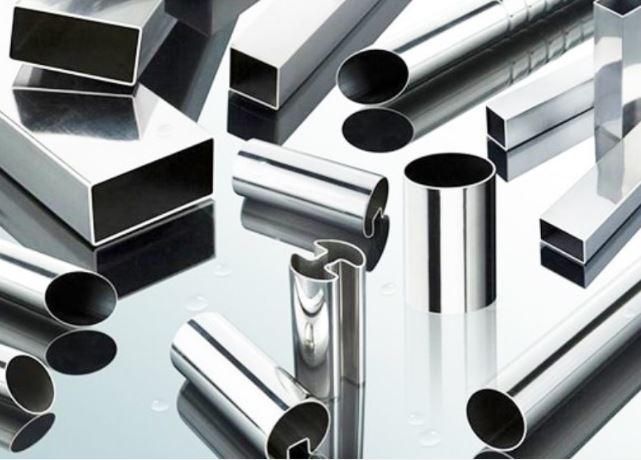
This type of joint is made of stainless steel and consists of two different parts. The simple structure and high durability of stainless steel contribute to its long service life.
Body part: Corrugated pipe, mesh layer covering the pipe.
Connection part: Used for connecting with the pipe. Different types of connections are available based on different pipe systems.
For more information on stainless steel flexible joints, you can refer to: “What is a stainless steel joint?”

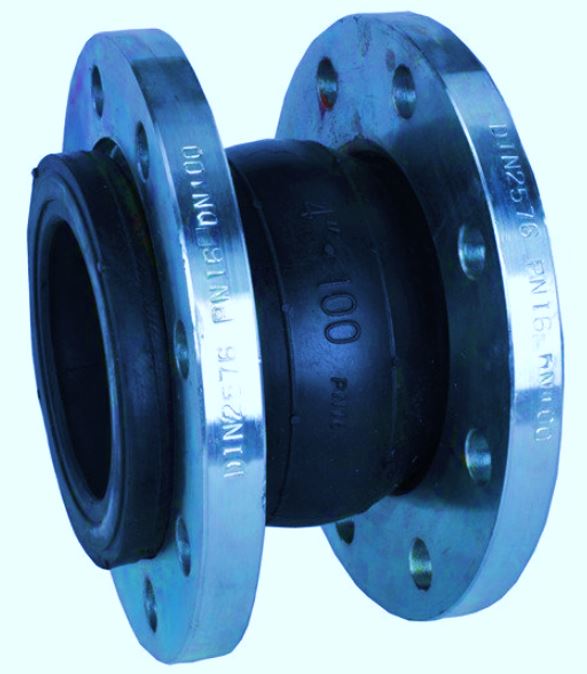
2. Rubber flexible joint.
+ Also known as a rubber anti-vibration joint, this type of flexible joint is used to connect two pipe ends where they can be offset or to protect the pipe and operating equipment from vibrations. Additionally, it serves the purpose of accommodating the expansion of the entire pipe system.
It is made from different materials, as customers can choose the appropriate material for different fluid types, pressures, and chemical compositions. This helps reduce investment costs while achieving high economic efficiency.
+ EPDM: Also known as EPM rubber, this type of rubber is highly durable, resistant to oxidation, ozone, and weather conditions, and is resistant to high concentrations of solvents and chemicals. It is flexible at low temperatures and exhibits excellent electrical characteristics.
+ Chromium-plated steel: This type of metal is coated with a layer of chromium on the outside, enhancing its resistance to wear and increasing the durability of the component’s surface.
+ Stainless steel: This material is highly durable, corrosion-resistant, and resistant to dirt accumulation.
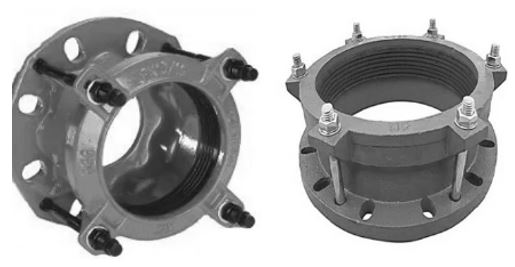
3. Ductile iron joint:
The ductile iron joint or BE joint. It is a fitting with one end as a standard flange (BS, JIS, DIN) and the other end as a cylindrical shape with a sawtooth-like cone-shaped groove. It is mainly used to connect pipes with fittings on the pipeline.
We use this joint to protect the pipeline and installed equipment operating on the pipeline, ensuring a certain degree of expansion and vibration resistance created by the pipeline.
Some basic characteristics of ductile iron include corrosion resistance, good noise absorption, and high durability for long-term use.
III. Advantages of flange connections.
The advantages and strengths of flange connections vary depending on the type of flange joint. Here are some common advantages of flange connections:
+ Suitable for high-pressure environments.
+ Excellent sealing between connection positions.
+ Easy and secure connection.
+ Requires a high level of accuracy in flange angles.
+ For fixed flange connections, it prevents slippage and supports installation.
+ Available in various flange standards (DIN flange standard, JIS flange standard, or BS flange standard) to accommodate different pipe types.
IV. Applications of flange connections
Flange connections have a wide range of practical applications due to their ability to withstand high temperatures and pressures, ensuring stable operation for various fluid environments. Some real-world applications of flange connections include:
+ Fixed connection between two pipes.
+ Used in cases where the pipe connections are not parallel or in a straight line.
+ Suitable for pipes that experience thermal expansion.
+ Transferring motion between pipes, ensuring system stability during operation.
+ Adjustable length of the flange connection to meet specific requirements.
+ Stainless steel material provides corrosion resistance and chemical resistance.
+ Available in various sizes for easy selection and compatibility with specific requirements.
+ Reduce noise and vibrations.
+ Ensuring safety during use.


Leave a Reply